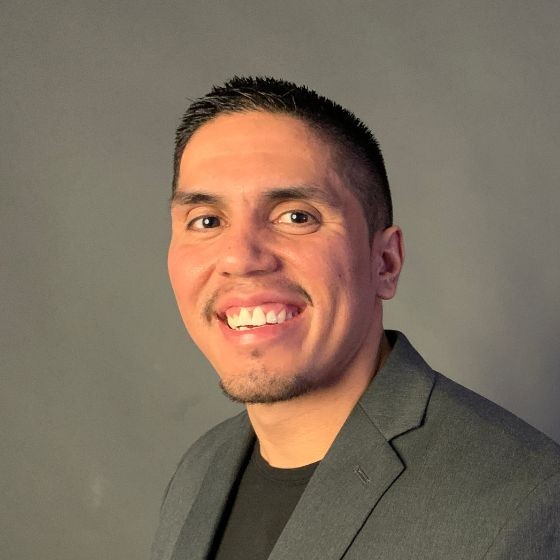
The first code Victor Sauceda ever wrote, he wrote by hand.
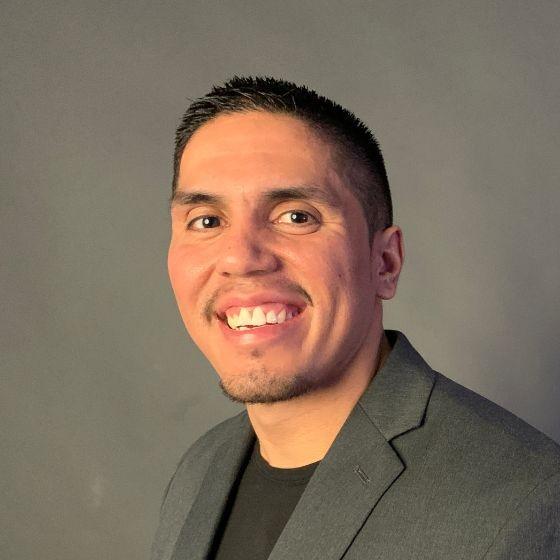
He was twenty-one when he was sentenced — facing thirty-six years — and he served ten at Monroe Correctional Complex in Washington. The coding program he had talked his way into ran on closed servers with no internet. So he borrowed books from the prison library and worked the logic out on paper, line by line, until it made sense. "At first, this was way above my level," he says. He kept at it anyway, and left with a GED, accredited college credits, and a web development certificate.
He had grown up in Southern California, moved to Washington after his parents separated, found the gangs, and was sentenced at twenty-one. What changed was not a program. It was arithmetic. "If I ever got another shot at life, I might not get out until I was an old man," he says. "I had to decide who I was going to be."
That decision was not clean. "I was battling between the old me — the gangster me — and the new person I was becoming." What settled it, he says, was who he chose to sit with: "I’m super thankful I crossed paths with those bright individuals. They wouldn’t let me give up."
He came home in 2019. A volunteer he had met inside got him a job. Another invited him to F3, a men’s fitness group built on fitness, fellowship and accountability — and because someone there ran a tech consultancy and heard his story, that is also where he got his first job writing software. "The biggest factor was building community," he says. "Having somebody outside who believed in me — eventually I started believing in it too."
Then came a Code for America fellowship, working with public defenders in Santa Barbara County on an app connecting people leaving prison to the resources waiting for them. His own record, he points out, was the qualification. In January 2022 he founded Victory Code, which teaches coding and digital literacy to people coming home. It has served hundreds of clients. "One of my proudest moments is seeing this all come full circle," he says. "The opportunities that were given to me — now I get to extend that to people coming behind me."
Then he moved to Texas, and the weight came on. He reached 260 pounds.
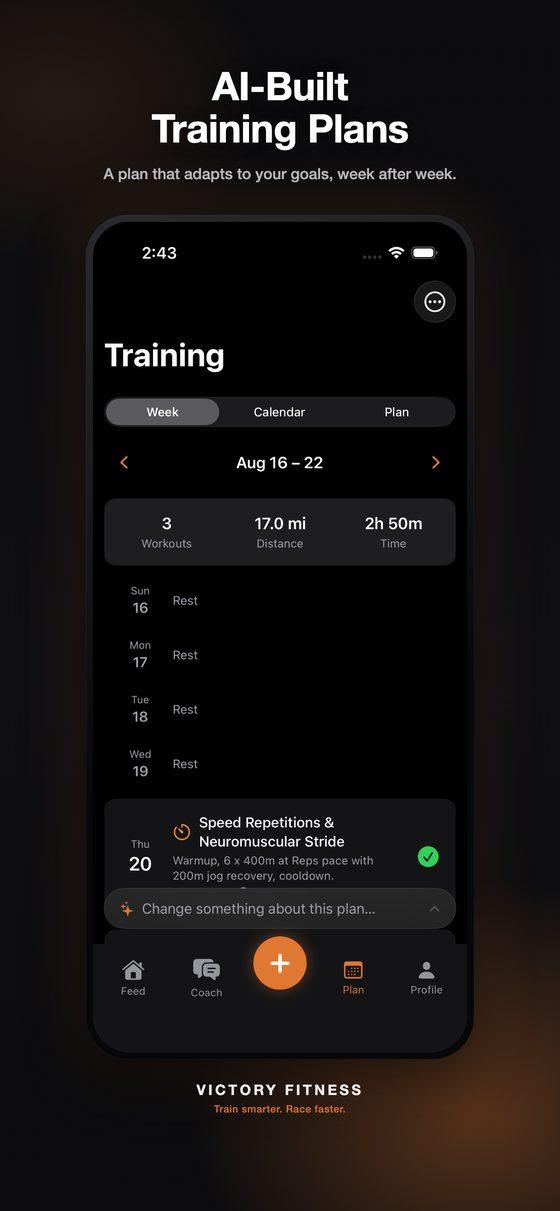
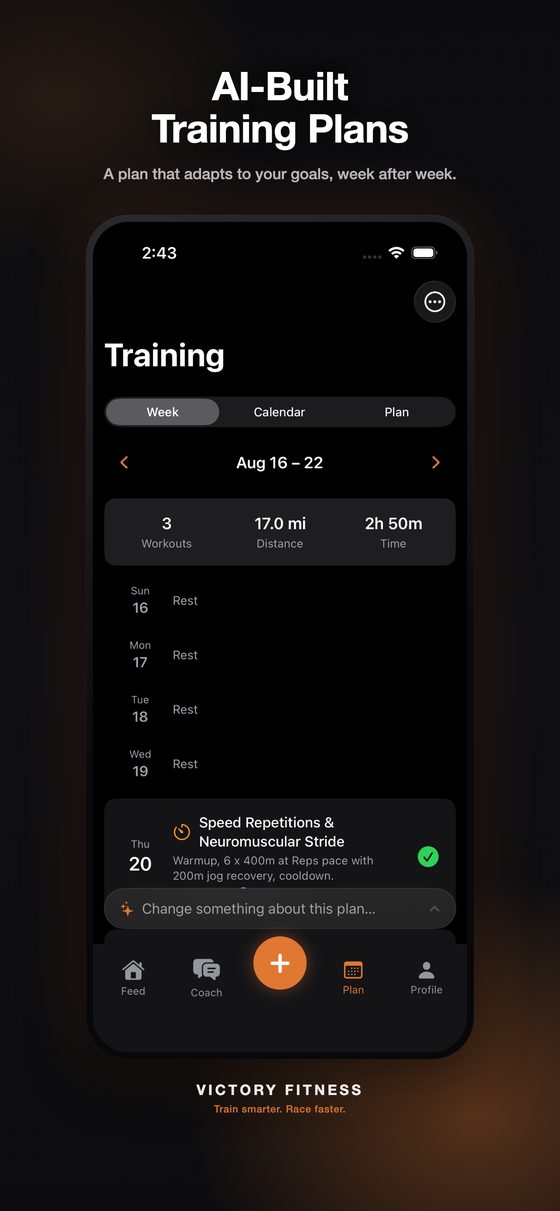
What he did about it is the part that makes people put down their coffee. He decided to run a marathon. He had never run a race in his life — no 5K, no half, nothing with a bib on it. He did not hire a coach. He used AI to write himself a training plan targeting sub-three hours, the benchmark serious amateur runners spend years chasing, and then he followed it, down to 178 pounds.
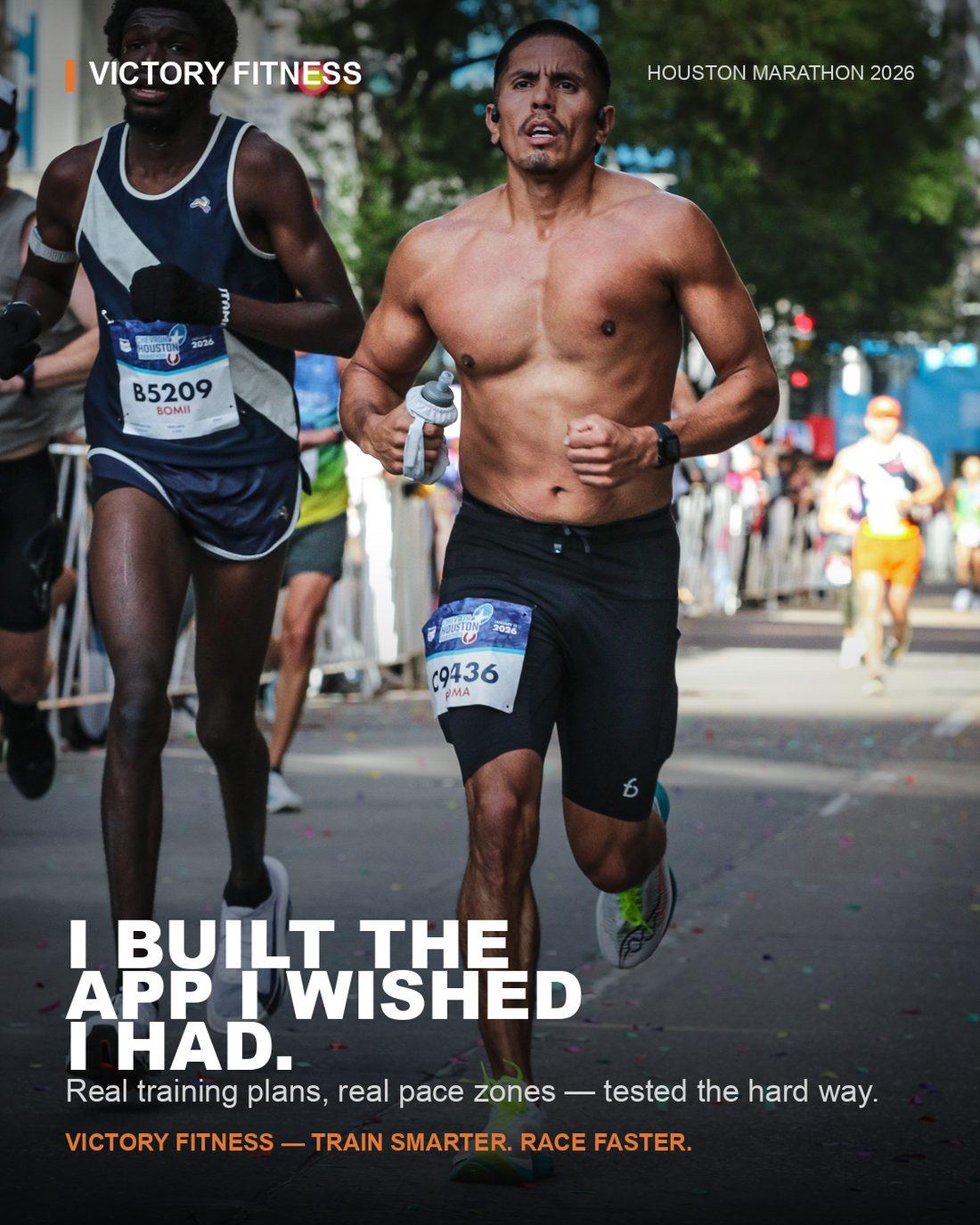
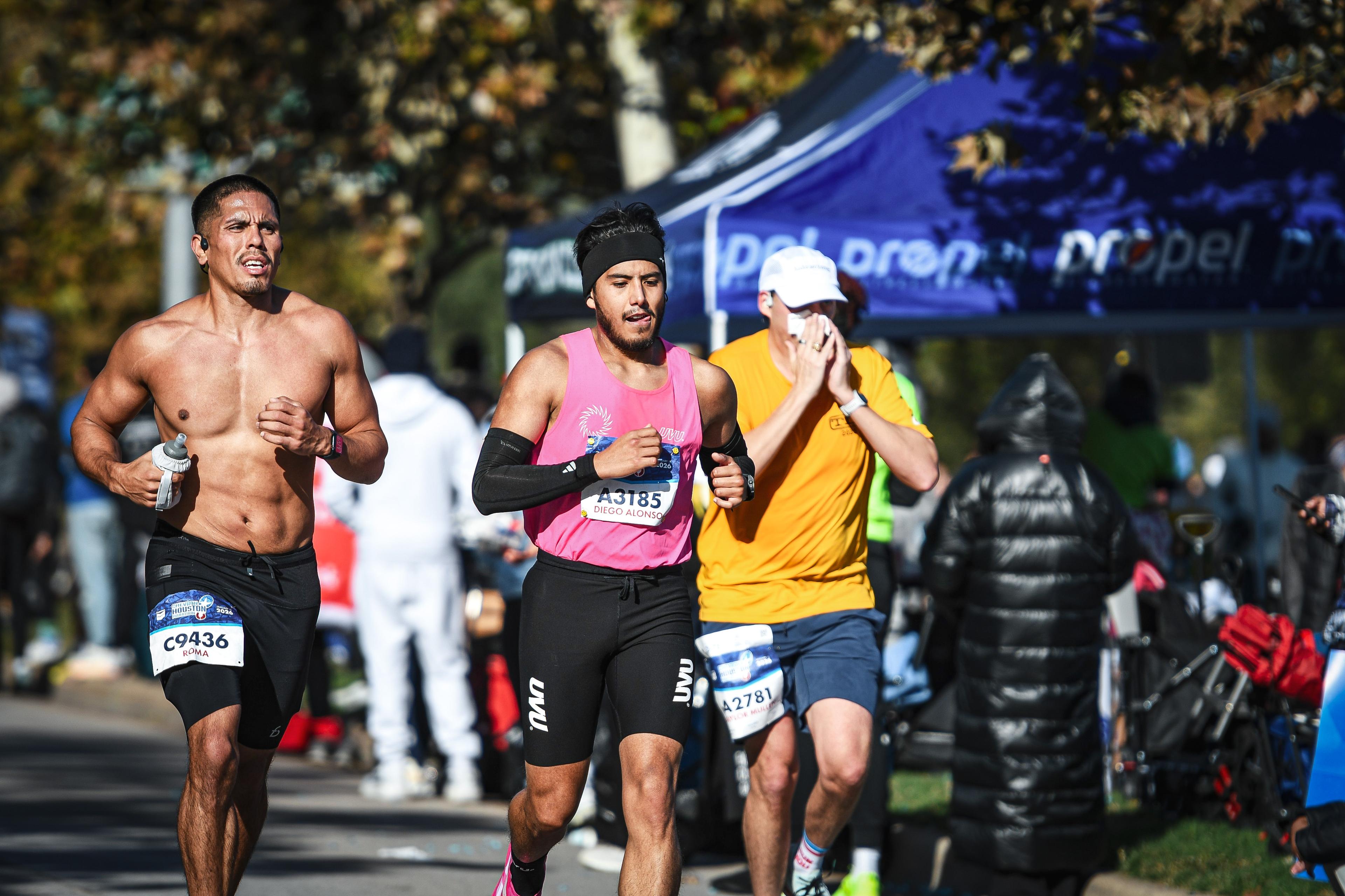
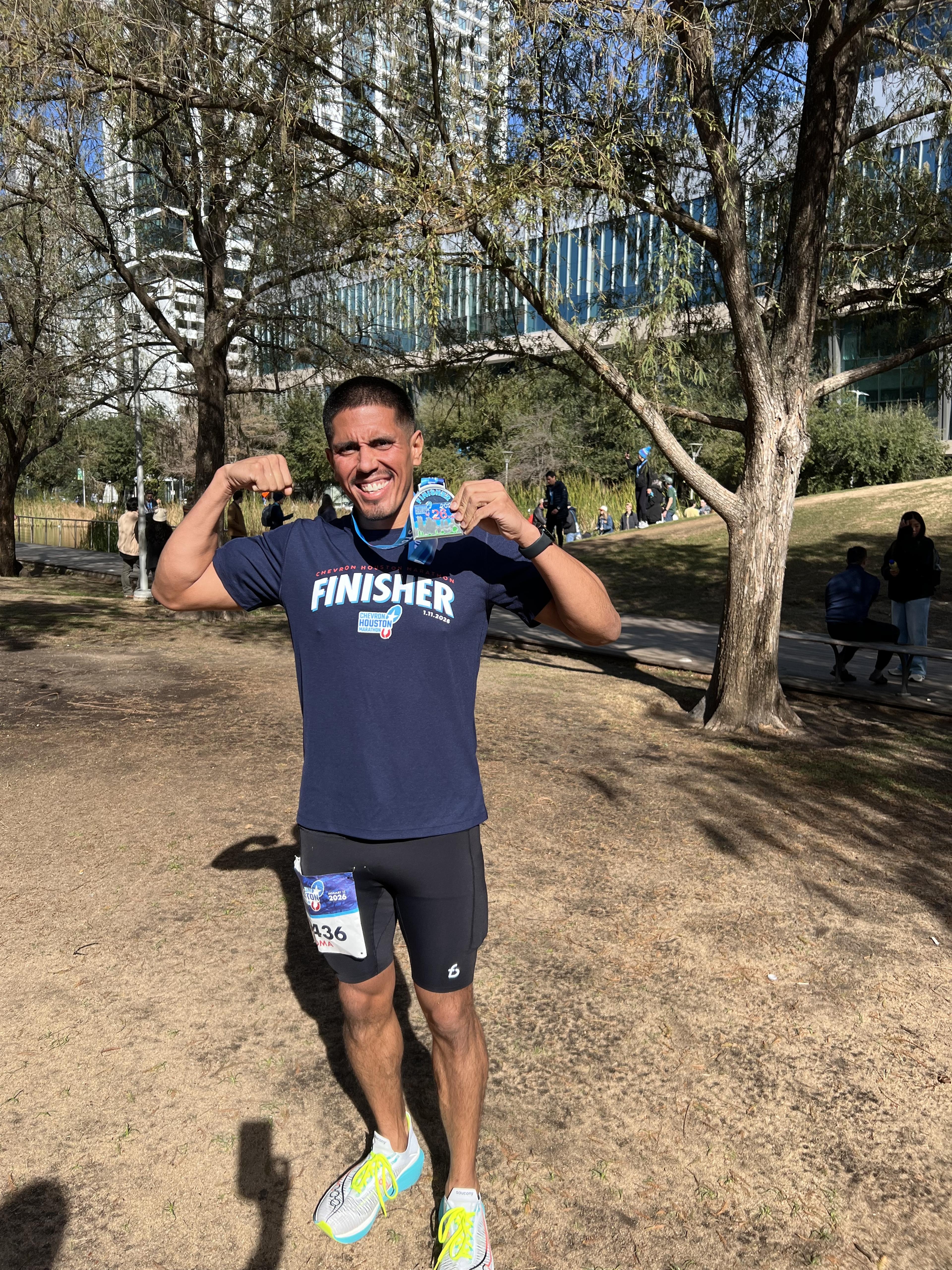
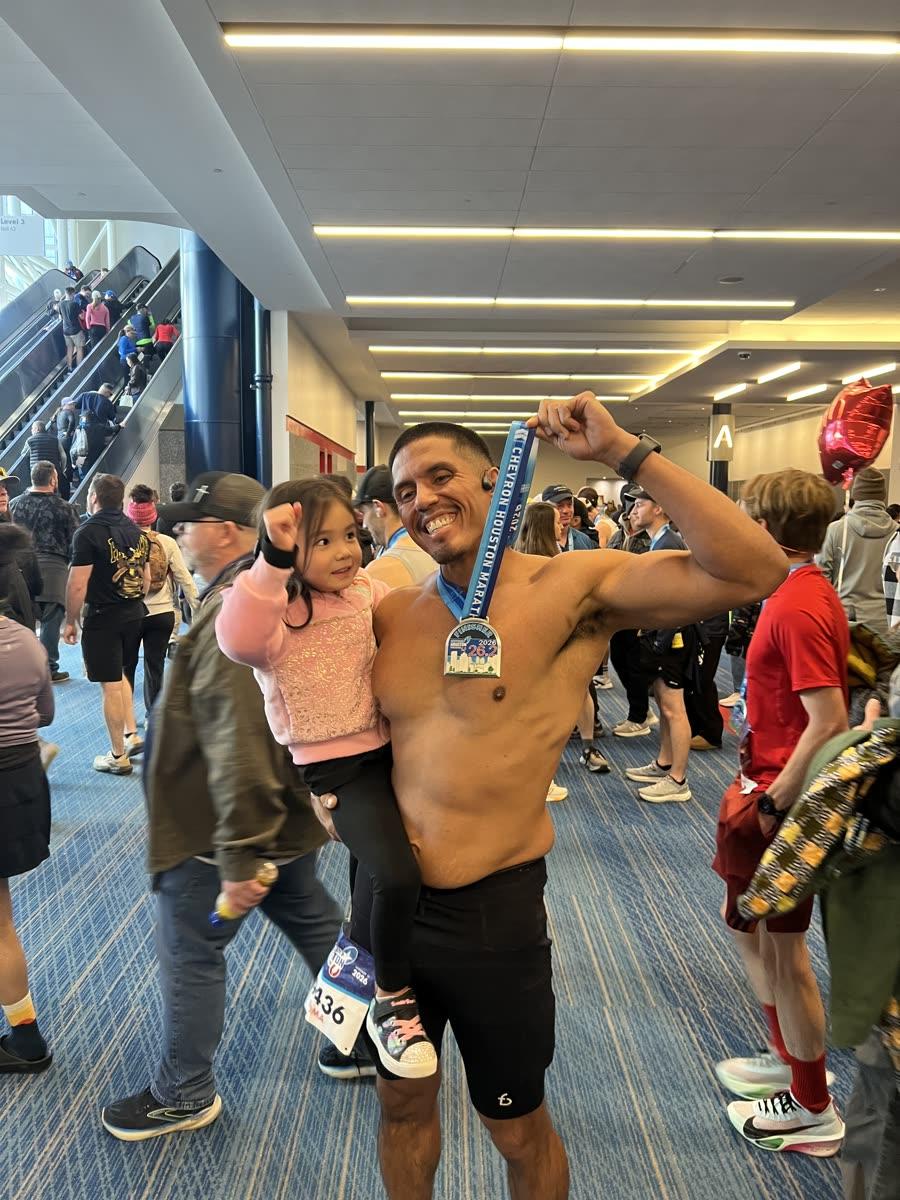
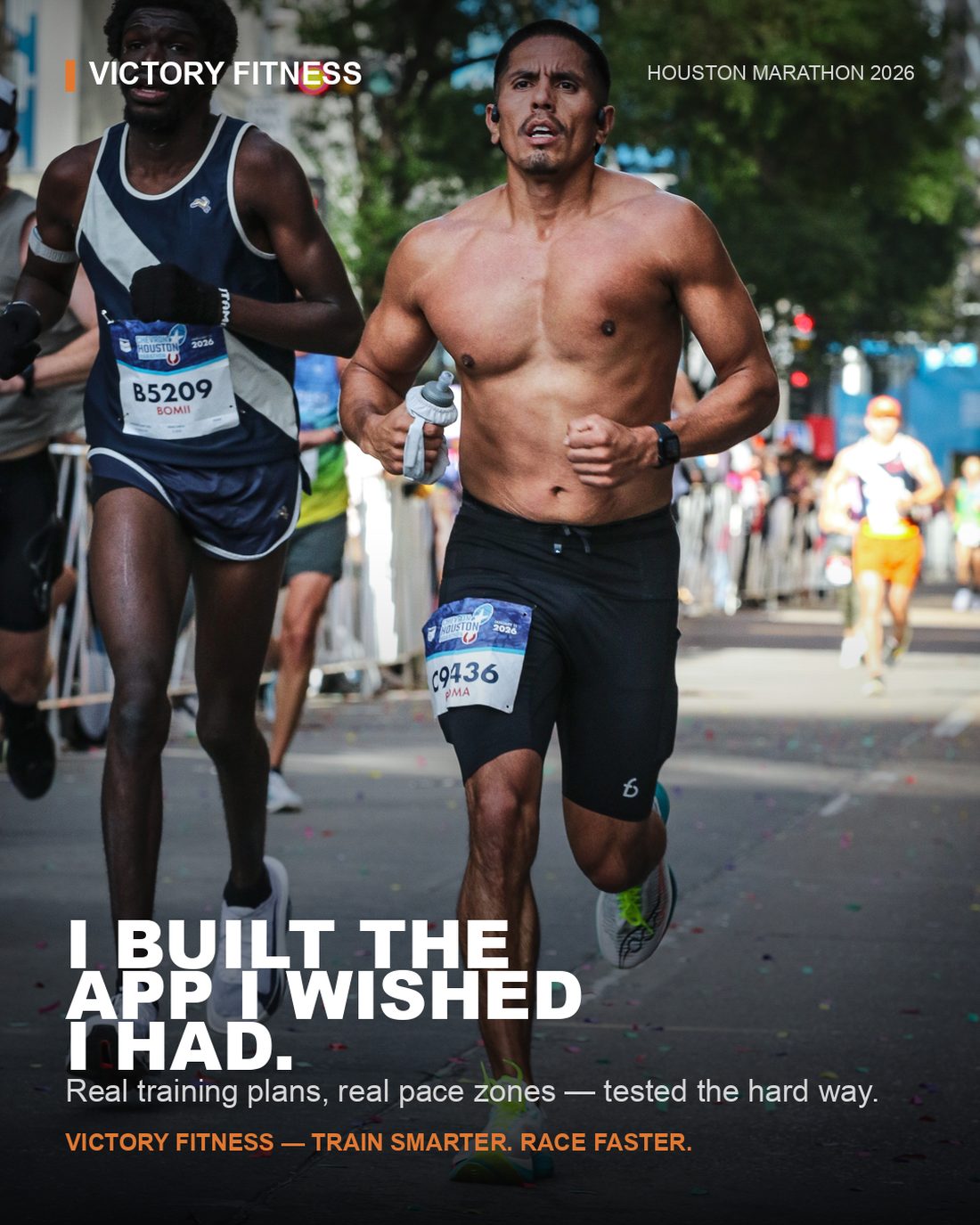
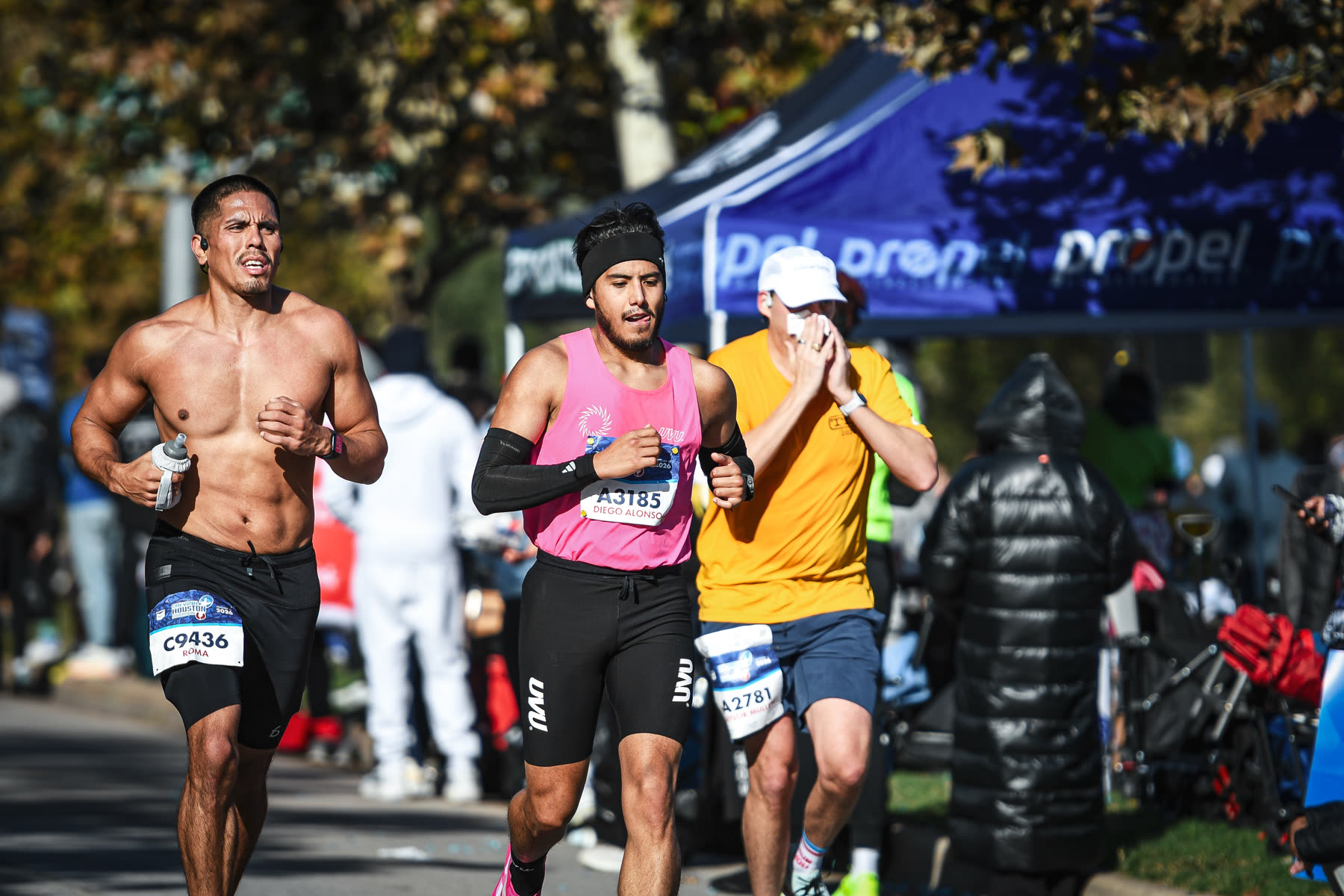
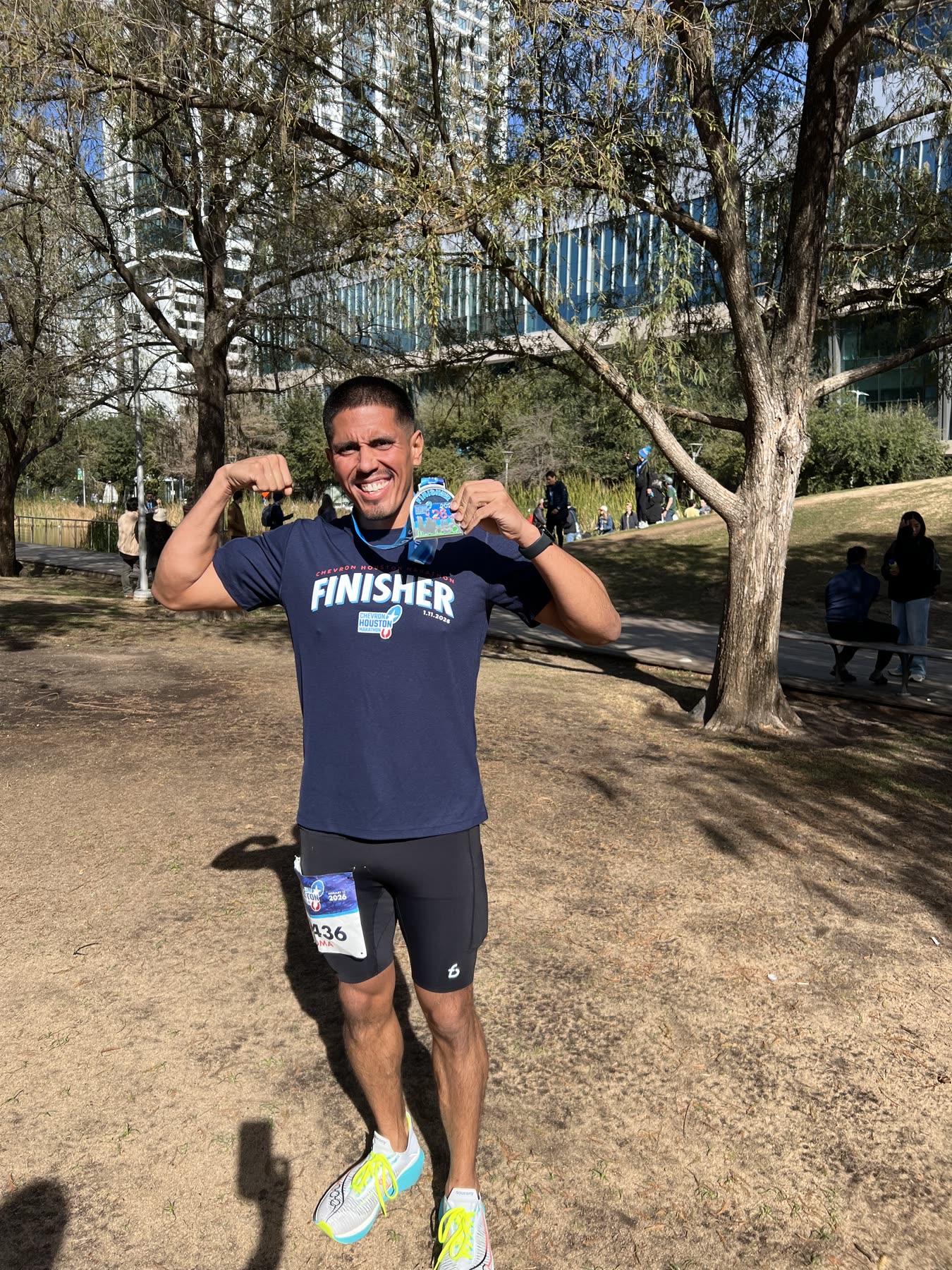
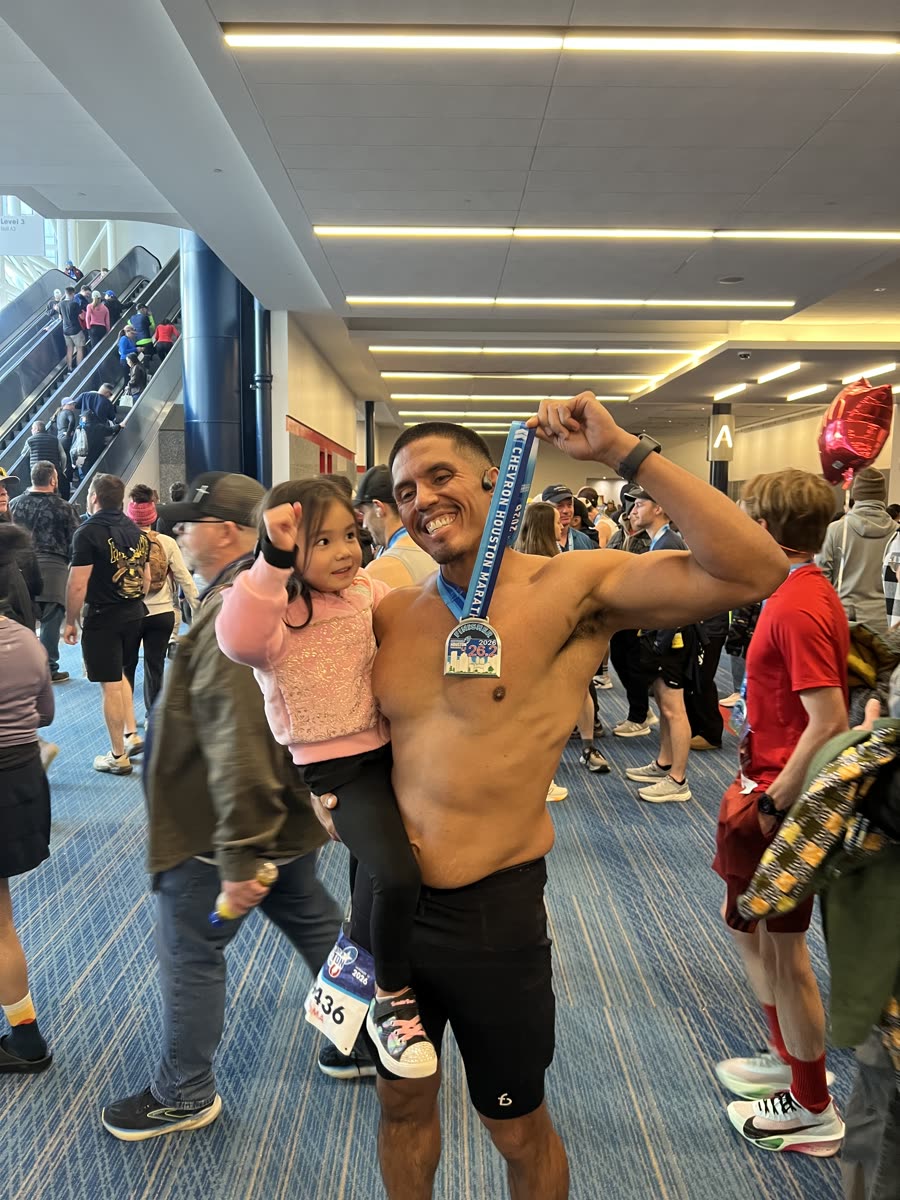
On a January morning in 2026 he ran the Chevron Houston Marathon in 2:52:53 — about 6:35 a mile, for twenty-six of them, in the first race he had ever entered.
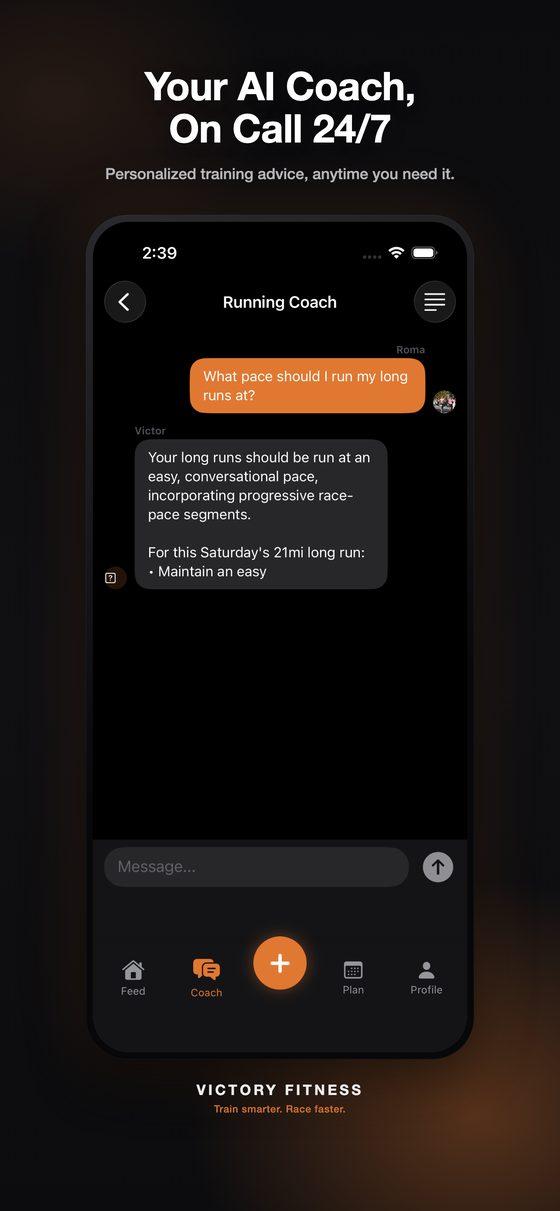
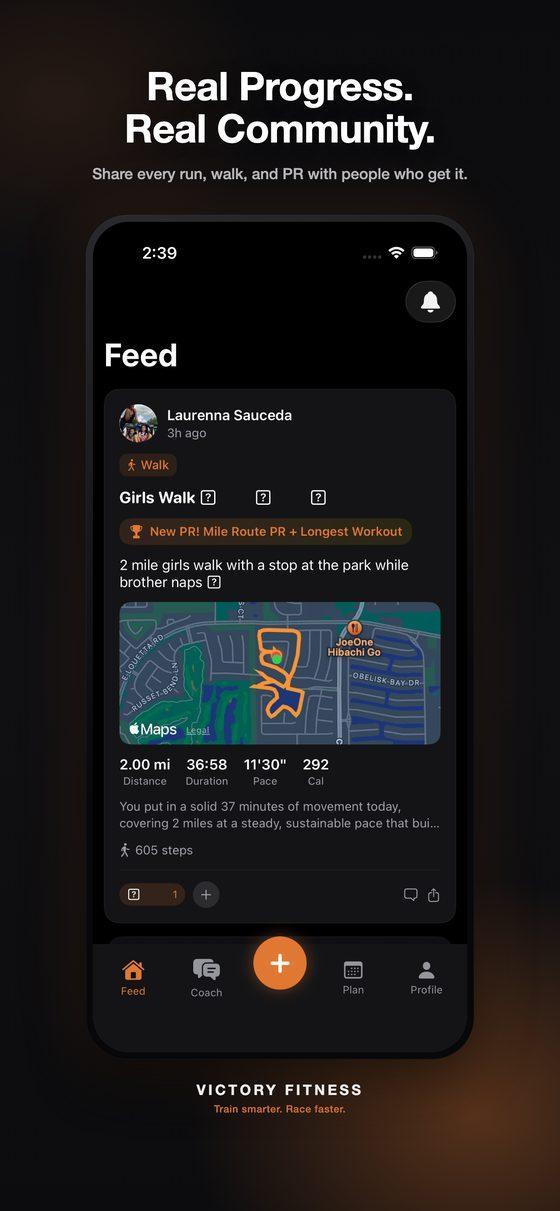
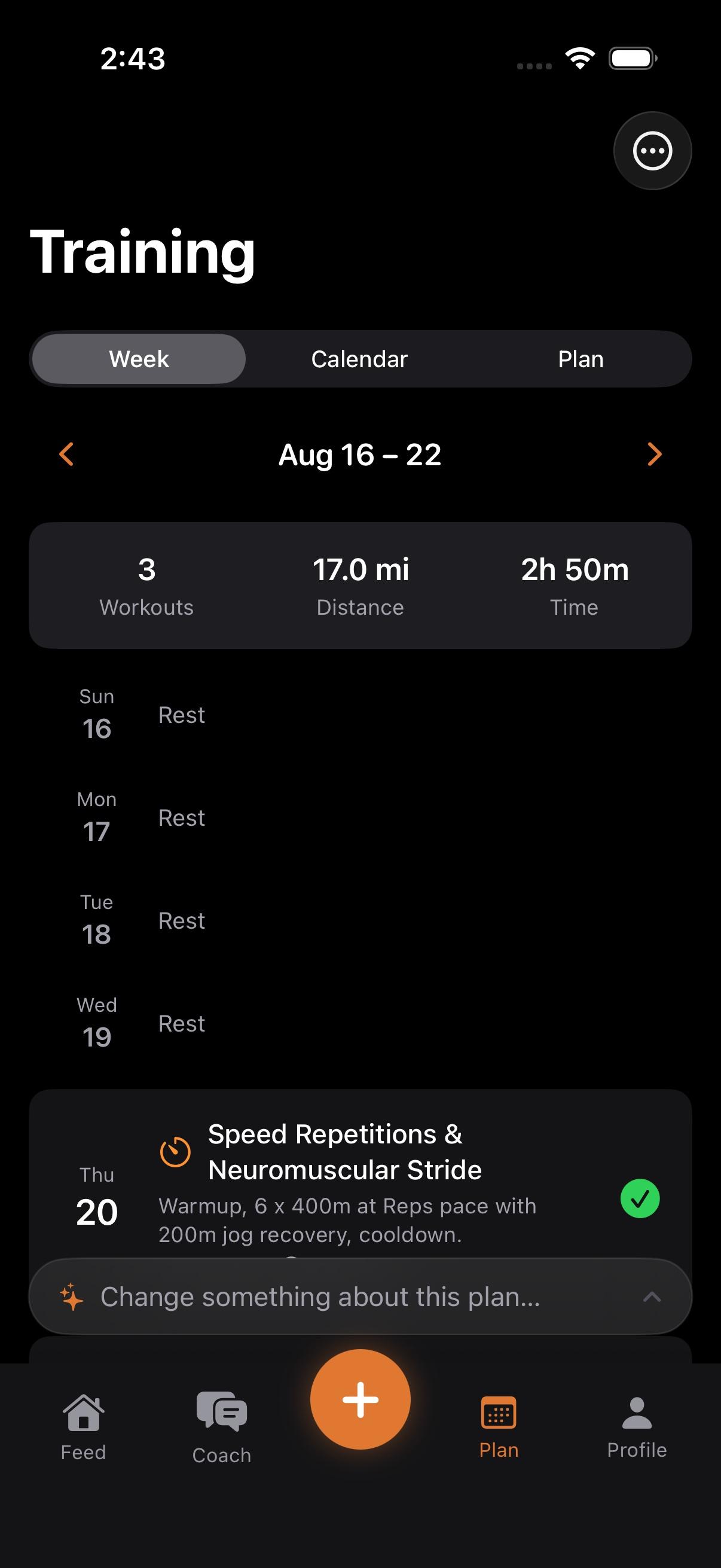
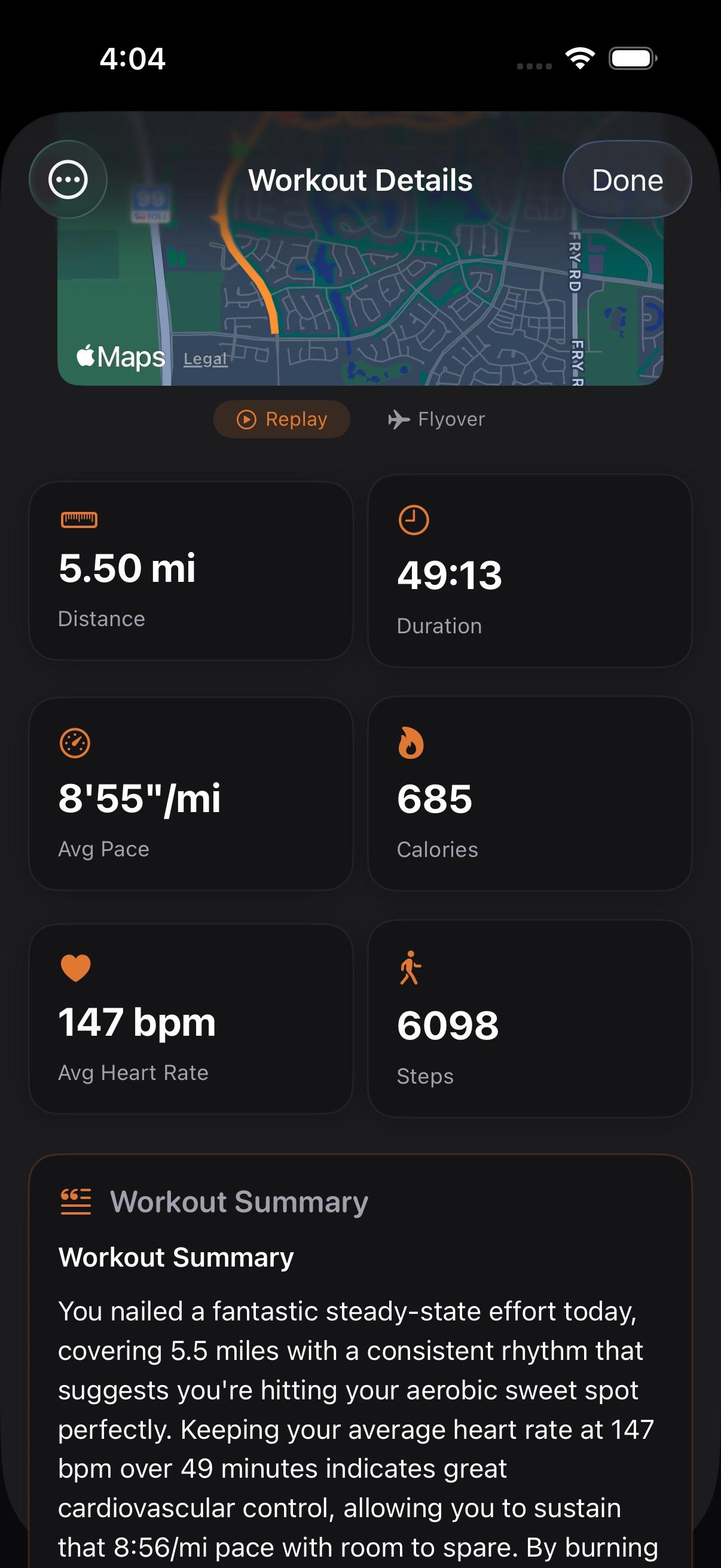
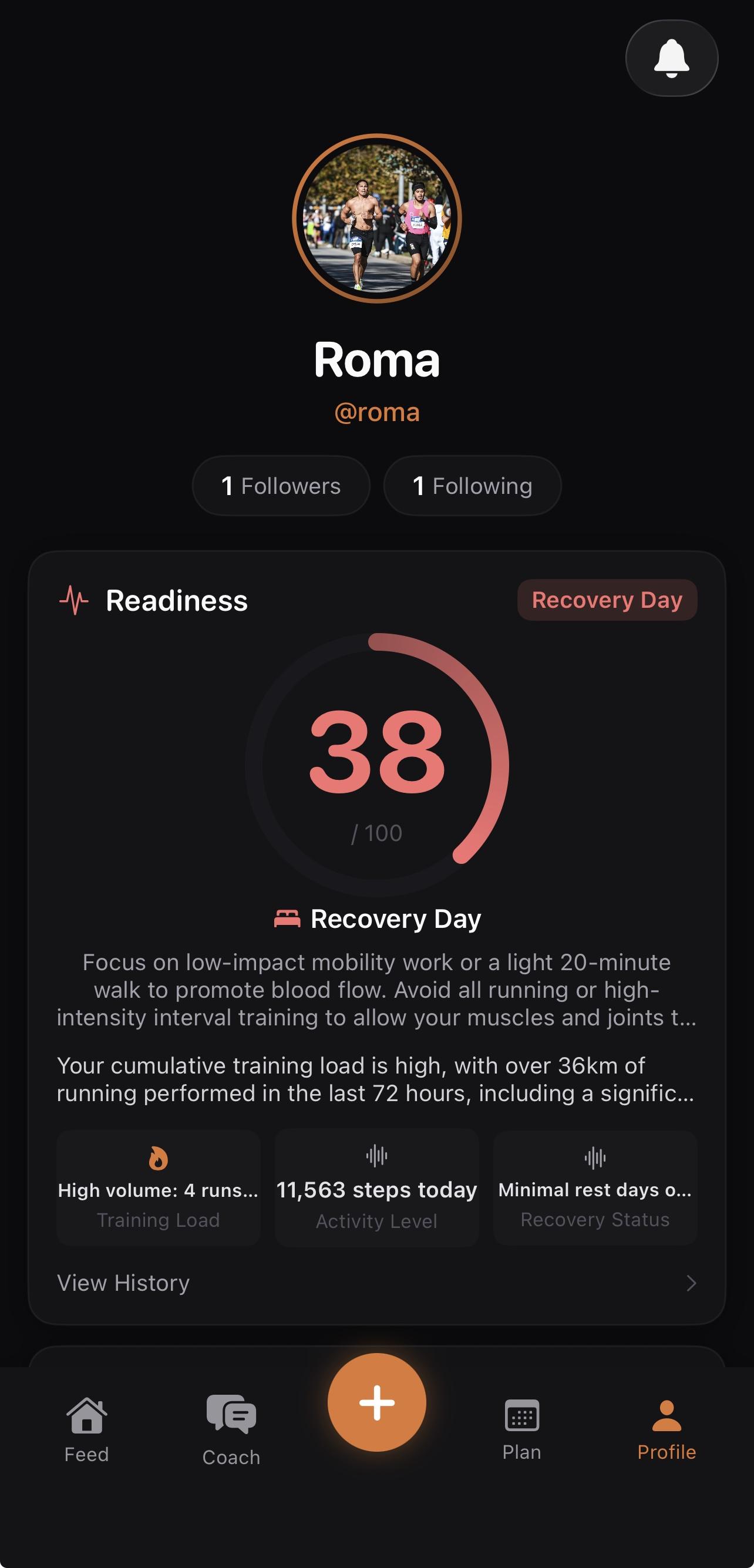
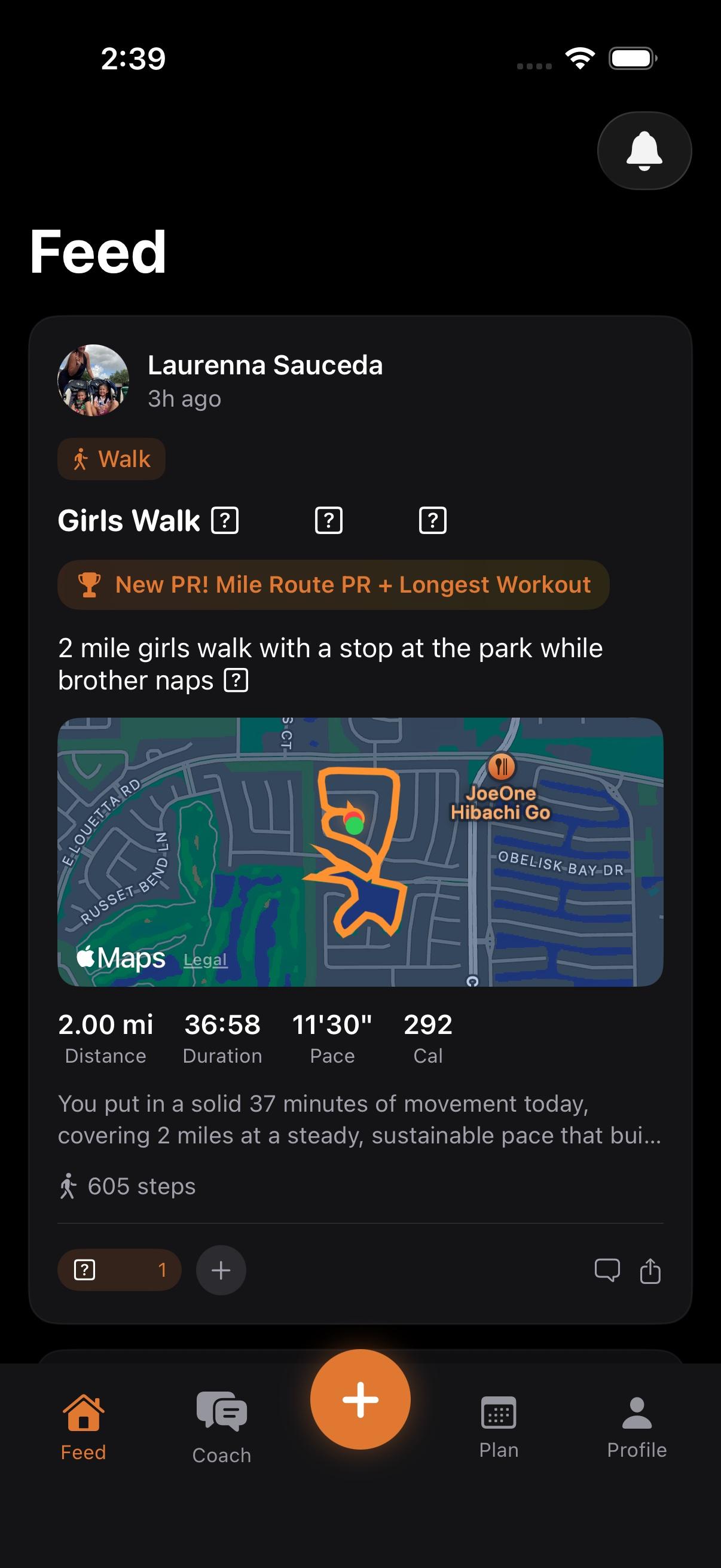
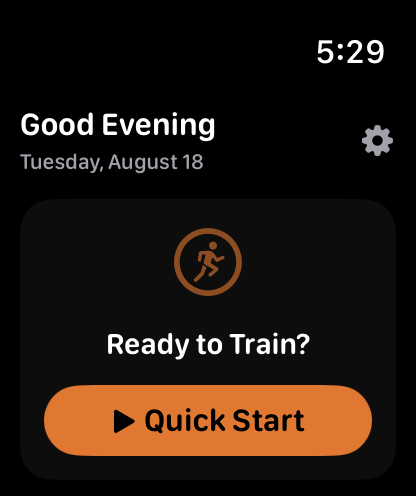
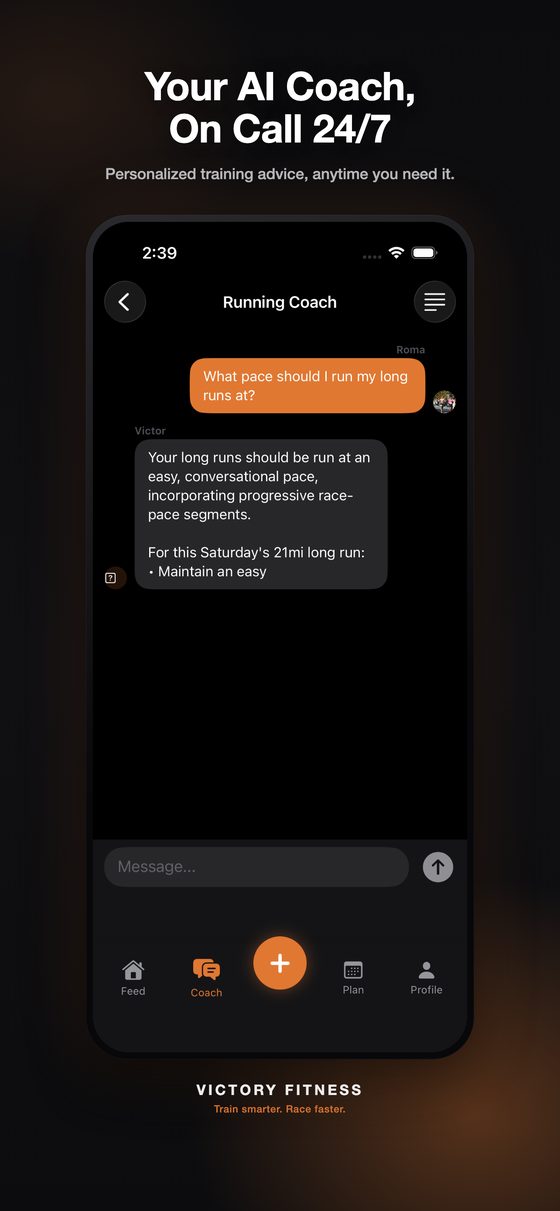
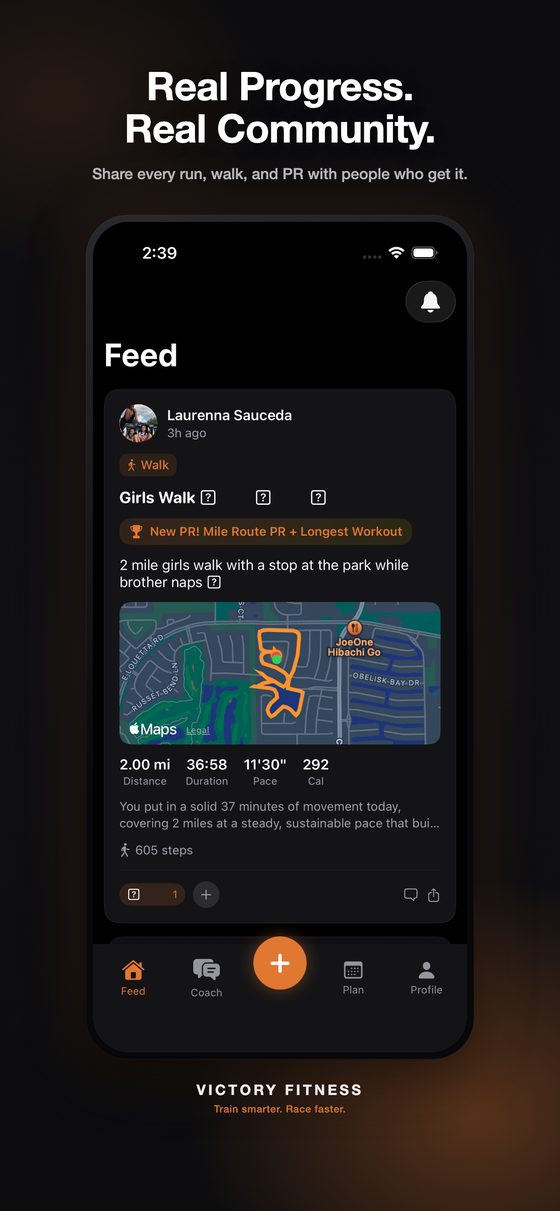
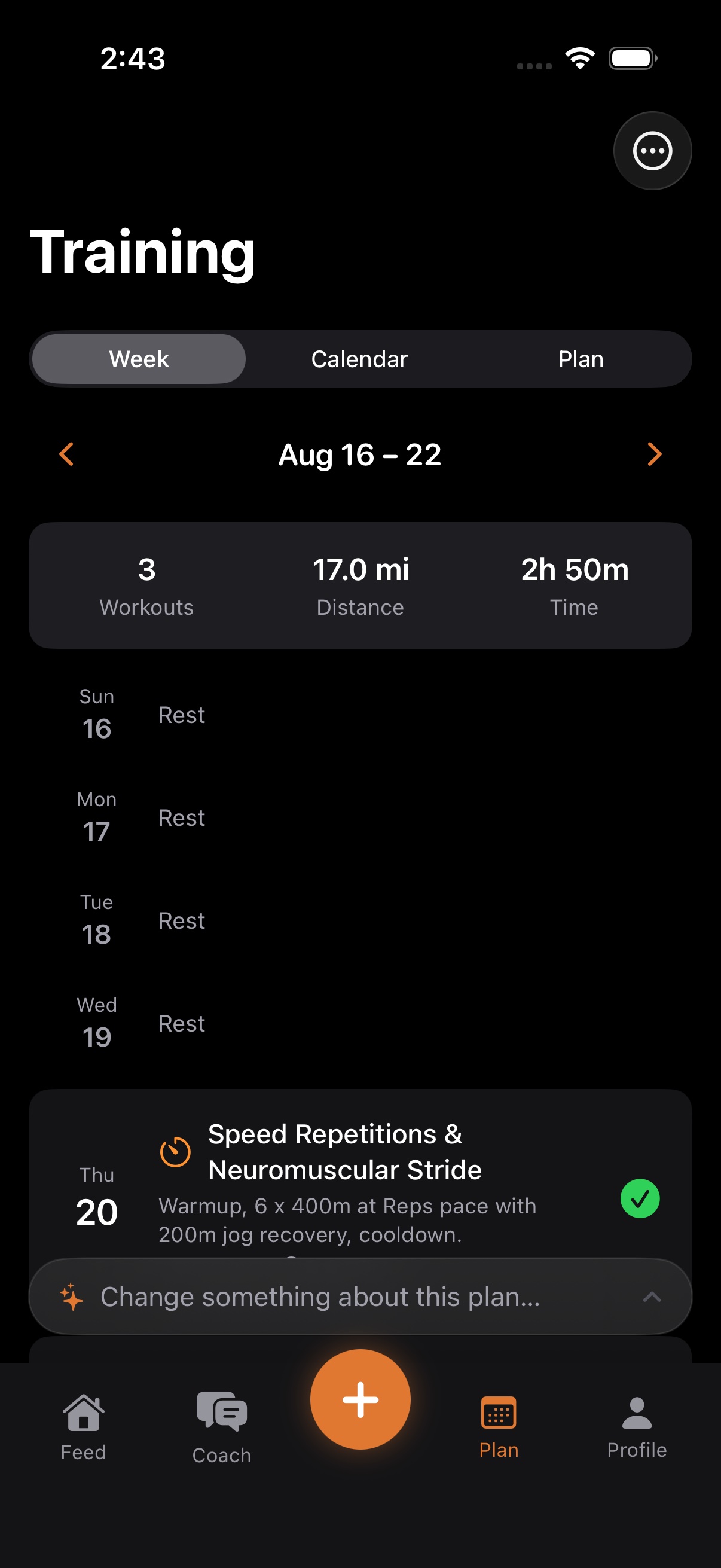
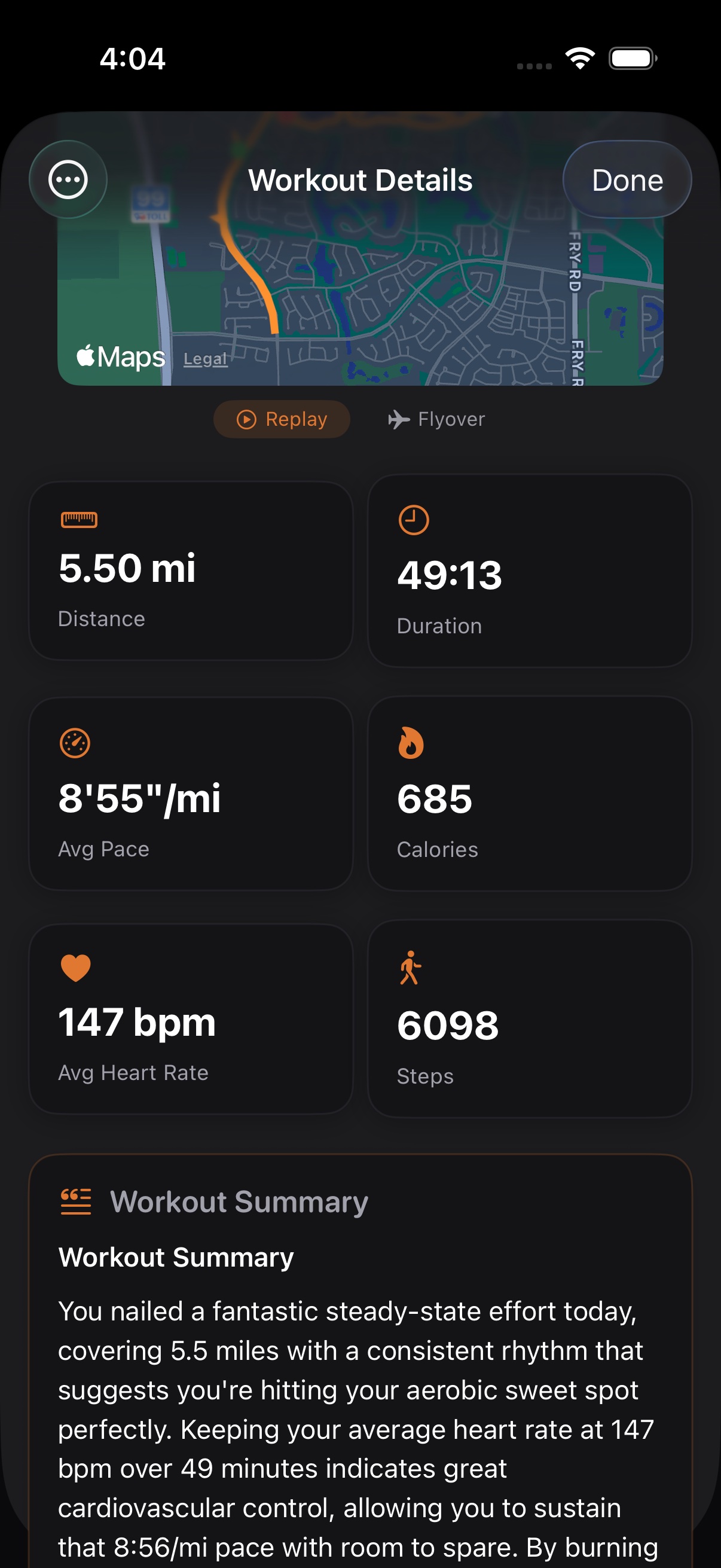
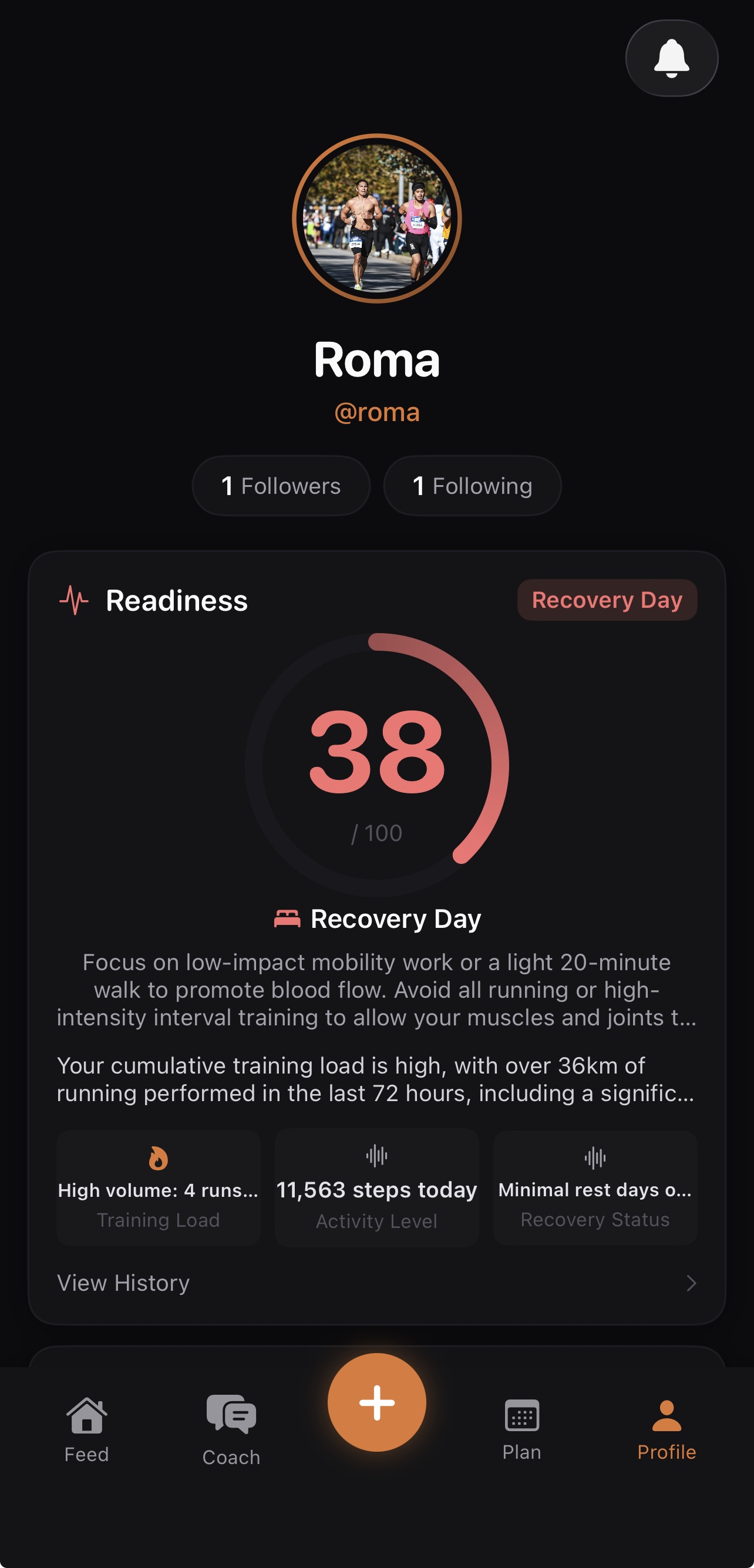
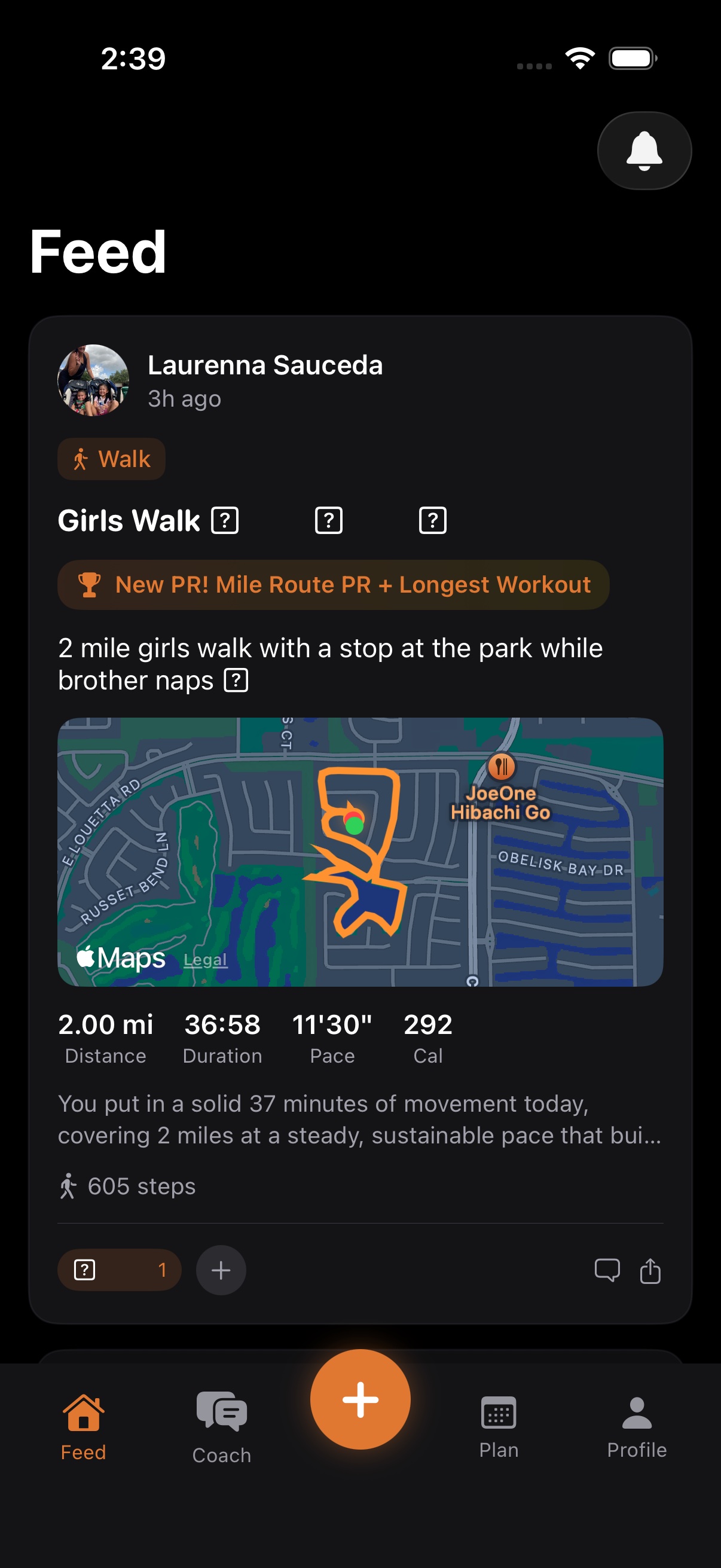
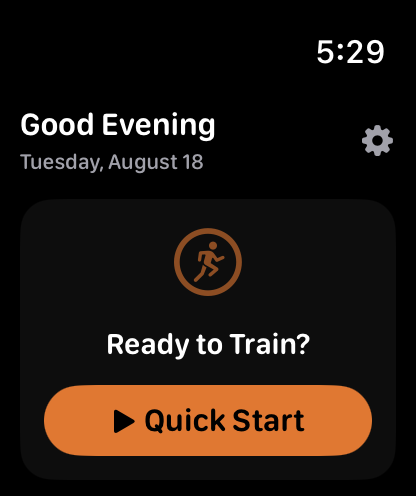
Then he did the thing he has now done three times. He turned what worked for him into something other people could use. Victory Fitness is that training plan, built into an app for iPhone and Apple Watch by one person. It is in testers’ hands now and reaches the App Store on December 6. "I wanted to replicate that for others to use and benefit from," he says.
He got married earlier this year. His daughter Saylah is four and has appointed herself the family’s nutrition department — she makes the smoothies and tells her parents when they have gotten sloppy. His son Suede is two. He sometimes runs pushing the stroller. He still leads at F3, mentoring other men.
"There’s something about seeing what you built come to life on a screen," he says. "When you can visualize it and see it working, you just want to keep going."