THE HIGH-PROTEIN REVOLUTION: Why Every Serious Athlete Is Eating More Protein in 2026
Protein is having its biggest cultural moment in history. The high-protein diet has exploded into 2026 as the fastest-growing nutrition trend in fitness, with food brands racing to reformulate everything from pasta to ice cream with added protein — and the science backing this shift is undeniable. If you're training seriously in Cypress, TX, understanding why protein is dominating the conversation isn't optional anymore.
What Is the High-Protein Diet Revolution?
The high-protein movement isn't a fad. It's the convergence of three powerful forces hitting simultaneously: an explosion in strength training participation across all demographics, the mainstream adoption of GLP-1 medications (which accelerate muscle loss without proper nutrition support), and an army of content creators going viral by sharing protein-packed meal preps, cottage cheese recipes, and transformation results.
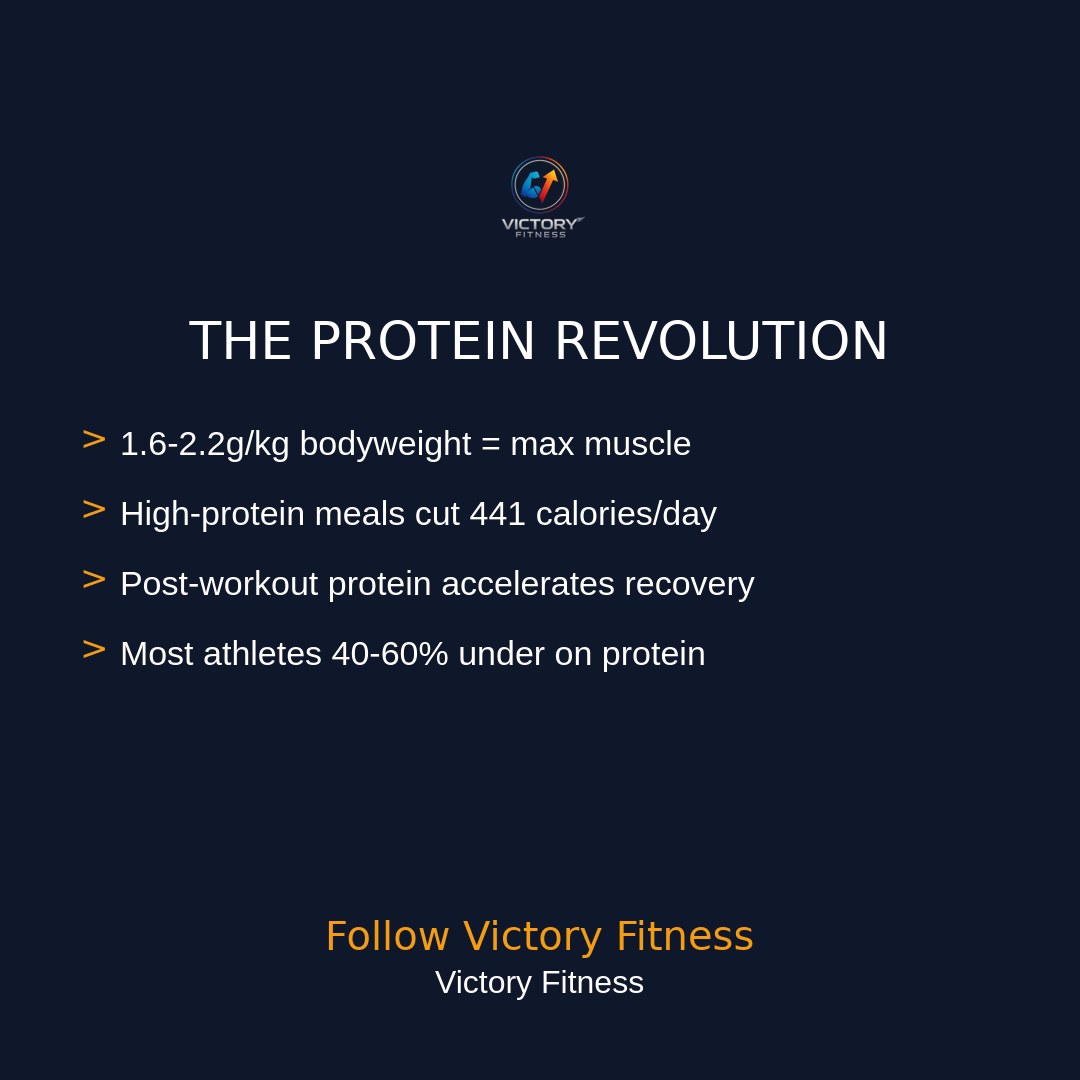
At its core, a high-protein approach means consuming 1.6–2.2 grams of protein per kilogram of body weight per day — roughly 130–180g for a 180-pound athlete. That's significantly higher than the outdated RDA of 0.8g/kg, which was designed to prevent deficiency, not optimize performance.
Why It Works
- Muscle Protein Synthesis: Studies show protein intake of 1.6–2.2g/kg maximizes muscle protein synthesis — the fundamental process of building and repairing muscle tissue after every training session.
- Satiety and Body Composition: High-protein meals trigger greater release of satiety hormones (GLP-1 and PYY), reducing total daily calorie intake by an average of 441 calories without counting or restricting.
- Recovery Acceleration: Consuming 20–40g of quality protein within 2 hours post-workout accelerates muscle repair significantly. Your training sessions are only as good as your recovery between them.
- GLP-1 Medication Synergy: For the 15+ million Americans on weight-loss medications, maintaining adequate protein (minimum 1.6g/kg) is critical to prevent the muscle wasting that can accompany rapid fat loss.
The Community Factor
Here's what the mainstream protein conversation consistently misses: accountability is the difference between knowing what to eat and actually eating it consistently. At Victory Fitness, we've watched our F3 Nation community members and group training partners hit their nutrition targets at far higher rates than solo athletes — simply because of peer accountability.
Group fitness isn't just about the workout. It's about building a lifestyle architecture where healthy habits become the path of least resistance. We don't just train together in Cypress, TX — we eat, recover, and improve together.
How to Get Started
- Calculate your protein target. Multiply your bodyweight in pounds by 0.7–1.0 to get your daily gram target. A 180-pound athlete needs 126–180g daily.
- Front-load breakfast. Aim for 30–40g of protein at your first meal — eggs, Greek yogurt, cottage cheese, or a quality protein shake.
- Prioritize whole food sources first. Chicken, beef, eggs, fish, cottage cheese, and Greek yogurt give you protein plus micronutrients. Check our nutrition and recovery gear guides for top-recommended sources.
- Time your post-workout window. Get 20–40g of protein within 90–120 minutes of finishing your workout.
- Track for 2 weeks. Use a food tracking app to understand your baseline. Most people discover they're eating 40–60% less protein than optimal. Once you see the gap, closing it becomes a clear mission.
The Victory Fitness Take
We've always believed that training hard without fueling properly is like flooring a car with an empty tank. The high-protein diet revolution isn't a trend we're chasing — it's a principle we've been coaching for years that finally has the mainstream validation it deserved.
Whether you're running with F3 Nation before sunrise, grinding group workouts, or following our Sub-3 Marathon training program, your protein intake determines your rate of improvement.
Frequently Asked Questions
Q: How much protein do I actually need to build muscle? Research supports 1.6–2.2g of protein per kilogram of bodyweight for maximizing muscle building and performance. For most athletes, this means prioritizing protein at every meal rather than relying on supplements alone.
Q: Is a high-protein diet safe for long-term health? Yes — for healthy individuals with normal kidney function, high-protein diets (up to 2.2g/kg) are well-supported by research as safe and beneficial. The documented risks of under-eating protein — muscle loss, poor recovery, metabolic decline — are far better established than any risks from eating adequate protein.
Q: What are the best protein sources for athletes? Lean meats (chicken, beef, turkey), eggs, Greek yogurt, cottage cheese, and fish are the most bioavailable and micronutrient-dense options. Whey protein, casein, and plant-based protein powders serve as effective supplements when whole foods aren't convenient.
Victory is earned. Go earn it.
— Victory Fitness | Cypress, TX