THE OZEMPIC PARADOX: WHY WEIGHT LOSS DRUGS ARE MAKING PEOPLE LESS FIT — AND WHAT REAL TRAINING DOES INSTEAD
The scale might be moving, but are you? New research tracking users of popular weight-loss drugs like Ozempic, Wegovy, Mounjaro, and Zepbound reveals a troubling pattern: daily step counts and exercise levels are dropping measurably after people start GLP-1 medications. Understanding this GLP-1 fitness paradox isn't just timely — it's a wake-up call for anyone serious about building real, lasting fitness.
What Is the GLP-1 Exercise Paradox?
GLP-1 receptor agonists (glucagon-like peptide-1 drugs) like semaglutide (Ozempic, Wegovy) and tirzepatide (Mounjaro, Zepbound) have become the fastest-growing prescription category in American history. By suppressing appetite and regulating blood sugar, these drugs help users lose weight — sometimes dramatically.
But here's what the headlines aren't telling you: a growing body of evidence shows that many people on these medications are simultaneously becoming less physically active. Step counts drop. Gym sessions shrink. Movement in daily life decreases. Fitness organizations are now sounding the alarm, calling for deeper integration of structured exercise into GLP-1 treatment protocols — because without it, the health benefits are severely limited.
Why It Works Against You
The purpose of fitness isn't just a number on the scale. Here's why the GLP-1 movement decline matters:
- Muscle loss accelerates without resistance training. Without structured strength training, users lose up to 40% of their total weight loss from muscle — not fat.
- Cardiovascular health requires movement. Step counts and aerobic activity independently protect heart health and extend lifespan in ways that weight loss alone cannot replicate.
- Mental health suffers when we stop moving. Regular physical activity reduces anxiety and depression symptoms, improves sleep, and builds stress resilience — sedentary weight loss doesn't.
- The combination is where the real gains happen. GLP-1 treatment combined with structured exercise could save billions in long-term healthcare costs.
The Community Factor
At Victory Fitness in Cypress, TX, the men and women training in our F3 Nation workouts and accountability groups aren't just chasing a number on the scale — they're building the kind of functional strength, endurance, and mental resilience that no drug can manufacture.
Group training changes the equation. When you have a crew counting on you to show up at 5 AM, you show up. That accountability — the kind you find in F3 Nation's free, peer-led workouts and in every Victory Fitness training group — is what makes the difference between short-term weight loss and long-term health transformation.
How to Get Started
Whether you're on a GLP-1 medication, considering one, or simply want to build real fitness that lasts, here's the Victory Fitness prescription:
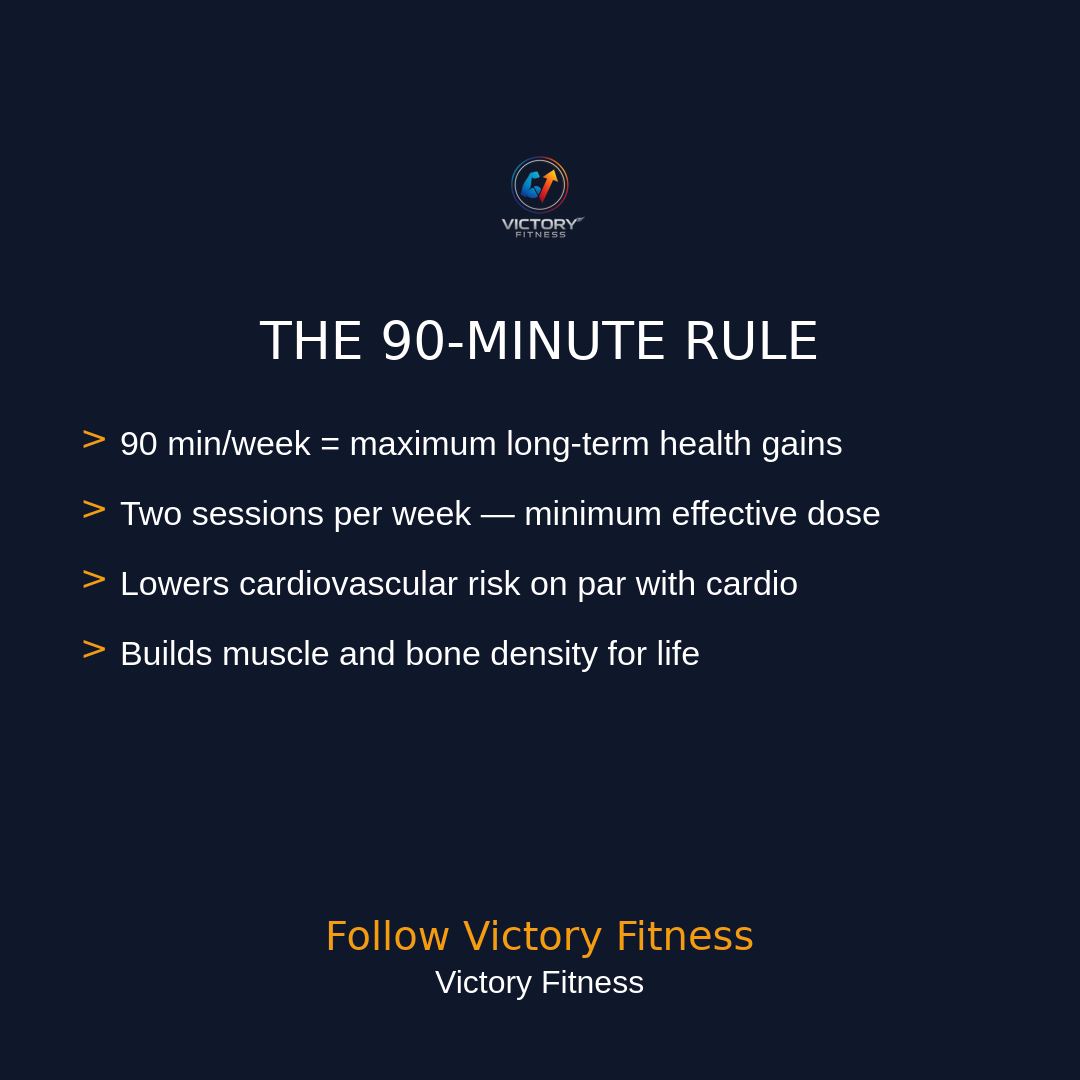
- Prioritize resistance training. Aim for 90–120 minutes of strength work per week — a new 30-year study of 147,000 people found this minimum dose delivers outsized cardiovascular and longevity benefits.
- Track movement, not just workouts. Daily step counts matter independently of structured exercise. Aim for 7,500–10,000 steps per day.
- Find your crew. Join an F3 Nation workout, a running club, or a pickleball league. Cypress, TX has a thriving fitness community waiting for you.
- Fuel movement, not just weight loss. Protein intake (0.7–1g per pound of bodyweight) combined with strength training is the most evidence-based way to preserve muscle. Check our nutrition resources for more.
- Make movement non-negotiable. The real fitness trend of 2026 isn't a drug or a device — it's the return to movement as a core life value.
The Victory Fitness Take
We're not anti-medication at Victory Fitness. If your doctor has prescribed a GLP-1 drug, follow their guidance. But we are absolutely pro-movement, pro-community, and pro-real-training.
The research is clear: the combination of structured exercise and any weight management strategy dramatically outperforms either approach alone. Check out our Sub-3 Marathon training program for structured endurance programming, explore our recovery resources for evidence-based tools, and browse our fitness guides for programming that works alongside any health strategy you're pursuing.
Victory is earned. Go earn it.
— Victory Fitness | Cypress, TX
Frequently Asked Questions
Q: Can you exercise on Ozempic or GLP-1 medications? A: Absolutely — and you should. Structured exercise, especially resistance training, is critical when taking GLP-1 medications to preserve muscle mass and maintain cardiovascular health. Start with low-to-moderate intensity and increase gradually.
Q: How much exercise do you need while on weight loss drugs? A: Research suggests a minimum of 90–120 minutes of strength training per week plus daily movement (7,500+ steps) provides the best outcomes for people on GLP-1 medications.
Q: What is the best workout for people on Ozempic? A: Resistance training (3x per week) combined with moderate cardio (walking, cycling, swimming) is the evidence-based protocol for GLP-1 users. The goal is to preserve lean mass while losing fat.